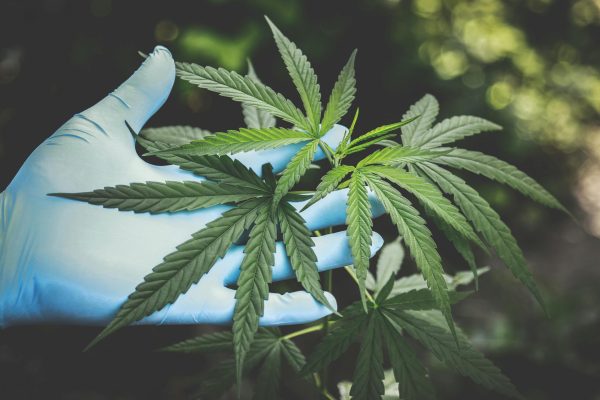
In our pursuit of solutions that sustain the health of both humans and our planet, hemp stands out as a plant with great potential. Not only does it offer a range of therapeutic benefits through CBD (cannabidiol), but hemp also contributes to environmental conservation in various ways.
Imagine fields of hemp swaying in the wind, thriving without the need for harmful pesticides and herbicides. Their resistance to pests and diseases preserves the health of soil, water, and air, while protecting biodiversity.
In arid regions where water is precious, hemp grows with minimal irrigation requirements. It safeguards valuable water resources and brings hope to parched lands.
Hemp not only replenishes the soil but also revitalizes it. Crop rotation with hemp prevents soil depletion and restores its fertility. Its roots even aid in the regeneration of degraded soil, making it richer and healthier.
In the fight against climate change, hemp is a true hero. It absorbs massive amounts of CO2 from the atmosphere, helping to reduce greenhouse gas emissions and mitigate global warming.
Cultivating hemp for CBD can be sustainable and environmentally friendly. Using organic methods, water recycling, and minimal energy consumption result in eco-friendly CBD products.
Hemp offers even more:
Decontamination of polluted areas: Hemp can absorb and break down toxins in soil and water, making them reusable.
Plastic replacement: Hemp can be used to produce biodegradable plastic, reducing plastic pollution and conserving fossil fuels.
Green economy development: The CBD industry can become a leader in the green economy, promoting green jobs and sustainable agricultural practices.
Hemp and CBD are not only good for our health but also for our planet. Responsible cultivation and regulation of this magical plant can lead us to a healthier future in harmony with nature.